Compare Local Contractors for Commercial Tuckpointing Projects
Compare local contractors for commercial tuckpointing to define scope, verify experience, and set clear expectations for a successful project.
Commercial tuckpointing is a specialized service focused on repairing and restoring the mortar joints between bricks or stones on building exteriors. This work typically involves removing deteriorated mortar and replacing it with fresh material to improve the structure’s appearance and durability. Proper tuckpointing helps prevent water infiltration, reduces the risk of structural damage, and maintains the overall integrity of commercial masonry facades. When selecting a contractor for this work, it’s important to ensure they have experience handling projects similar in scope and complexity, as the quality of the repair can significantly impact the longevity of the masonry.
Defining the scope of a tuckpointing project is a critical step in ensuring the work meets expectations and addresses the specific needs of the property. Clearly outlining which areas require attention, the extent of mortar removal, and the desired finish can help prevent misunderstandings. Documenting these details in writing provides a point of reference for property owners and contractors alike, facilitating accurate communication and reducing potential disputes. A well-defined scope also makes it easier to compare proposals from different service providers based on the work they will perform and the methods they will use.
Comparing local contractors for commercial tuckpointing involves evaluating their experience, reputation, and approach to similar projects. Property owners should seek service providers who understand the unique requirements of commercial masonry and can demonstrate a history of reliable work. It’s advisable to verify references or reviews, ask about their process for defining project scope, and confirm that they are transparent about their methods. Additionally, obtaining written proposals that detail the scope, materials, and work plan allows for straightforward comparisons. This approach helps property owners identify qualified contractors who can deliver the quality and professionalism needed for their commercial masonry repairs.
Compare local contractors by outlining your project priorities, verifying experience, and clearly defining expectations in writing.
- Compare Contractors - Review multiple service providers to find those best suited for commercial tuckpointing projects.
- Define Scope - Clearly outline the work required to ensure all parties understand project expectations.
- Verify Experience - Assess the background and past work of local contractors to ensure expertise.
- Set Expectations in Writing - Document project details to promote transparency and avoid misunderstandings.
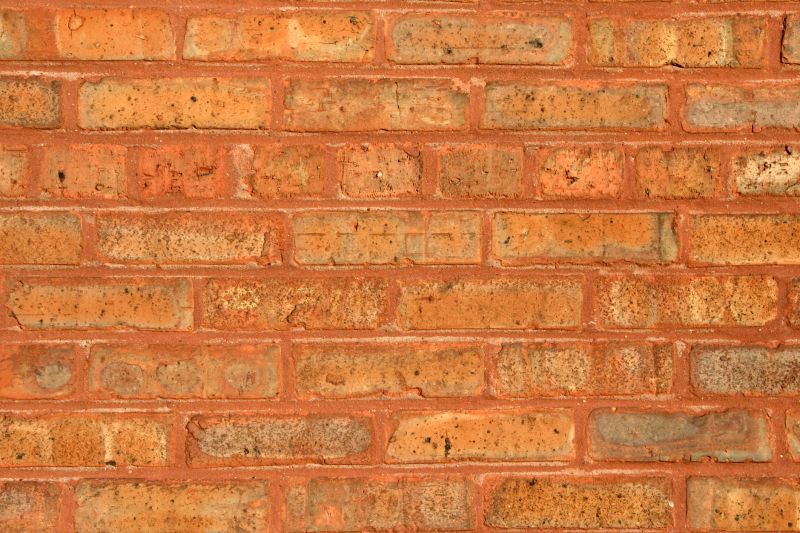
Clearly describe your commercial tuckpointing project to compare local contractors, verify experience, and set written expectations.
- Verify experience with commercial tuckpointing projects similar in scope and complexity. - Ensure contractors have a proven track record of handling commercial masonry repairs.
- Define the scope of work clearly in writing, including specific areas and repair techniques. - Clear documentation helps prevent misunderstandings and sets proper expectations.
- Check references or reviews to assess the quality of previous commercial tuckpointing work performed by the contractor. - Feedback from past clients can provide insight into reliability and craftsmanship.
- Confirm that the service providers understand the structural requirements and building codes relevant to commercial properties. - Proper knowledge ensures work complies with safety and construction standards.
- Discuss the materials and methods to be used, ensuring they are suitable for the specific brick and mortar type. - Using appropriate materials prolongs the durability of the repair.
- Ensure all project details, including scope, materials, and responsibilities, are documented in a detailed contract. - Written agreements help protect interests and clarify project expectations.
Compare local contractors' experience and clarify project scope to ensure your commercial tuckpointing needs are met.
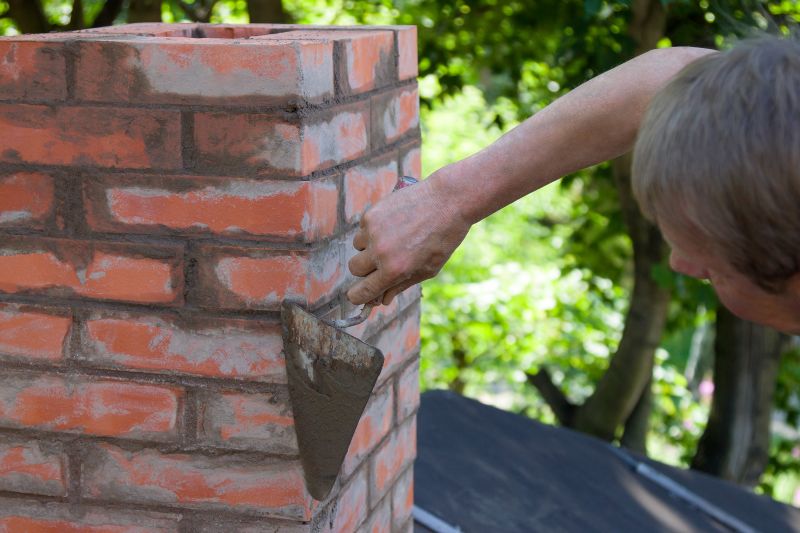
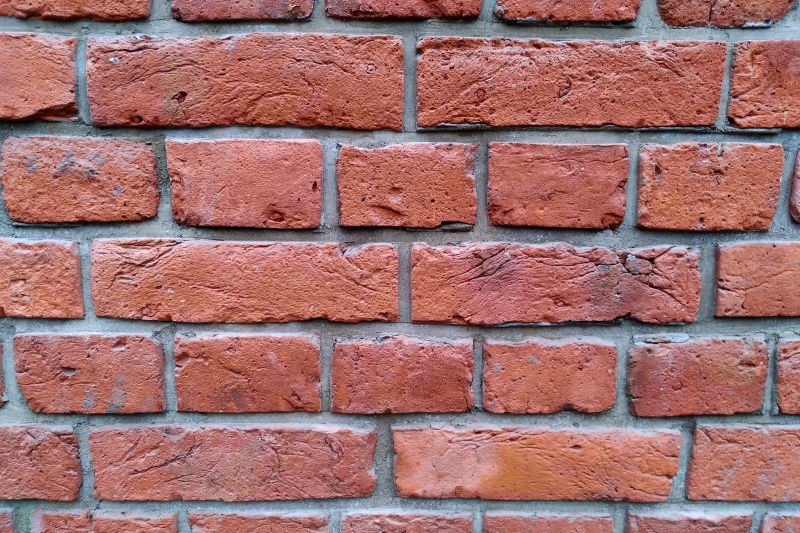
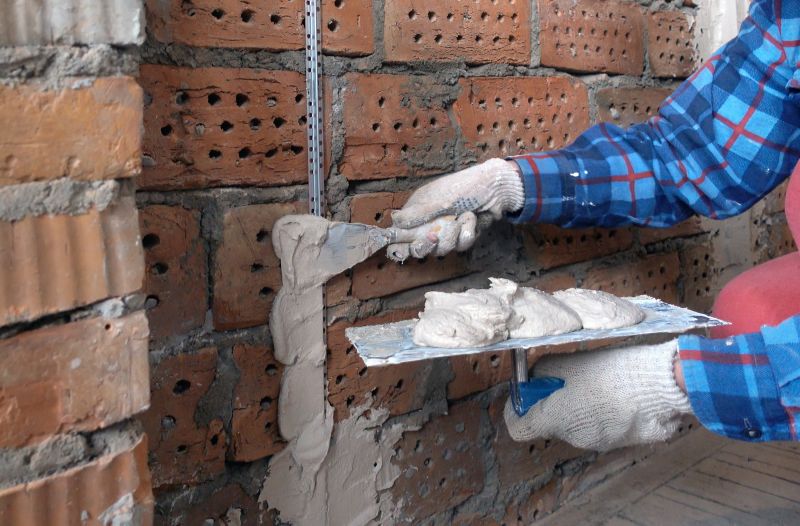
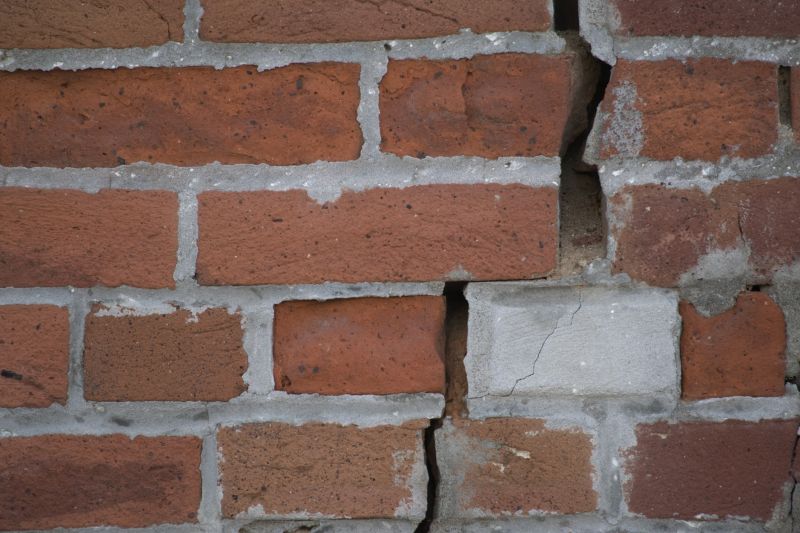
This scope builder helps compare local contractors for commercial tuckpointing by standardizing scope, experience verification, and expectations.
- Project Scope Definition - Clearly outline the specific areas and extent of tuckpointing work required on the building.
- Material Specifications - Specify the types of mortar and materials to be used to ensure compatibility and durability.
- Experience and Expertise - Verify that local contractors have relevant experience in commercial tuckpointing projects.
- Work Standards and Expectations - Define quality standards, surface preparation, and finish expectations in writing.
- Liability and Insurance Coverage - Confirm that service providers have appropriate liability coverage to protect against potential damages.
When evaluating contractors for commercial tuckpointing projects, it is important to consider their experience with similar types of work. Homeowners should inquire about the number and scope of past projects that resemble their own, paying attention to the types of masonry and building styles the contractors have handled. A contractor with a proven track record in commercial settings can offer insights into common challenges and effective solutions, helping to ensure that the work will meet the specific needs of the building.
A clear, written scope of work is essential for setting expectations and avoiding misunderstandings. Homeowners should seek proposals that detail the specific tasks involved, including the areas to be repaired or repointed, the materials to be used, and any preparatory or finishing work. A comprehensive scope provides a foundation for comparison and helps to ensure that all parties share a mutual understanding of the project’s requirements, reducing the risk of scope creep or unexpected issues later on.
Verification basics involve confirming the credentials and reputation of local contractors. This includes checking references from previous clients, reviewing any available project portfolios, and understanding their approach to quality and safety standards. Homeowners should also verify that the contractor’s experience aligns with the specific demands of the project, such as working on historic masonry or large-scale commercial facades. Gathering this information helps to build confidence that the chosen service providers are capable and reliable.
When comparing options, homeowners should focus on the quality and clarity of the proposals, the experience relevant to their project, and the level of detail in the scope of work. It is beneficial to ask potential contractors about their process, the materials they recommend, and how they handle unforeseen issues. By thoroughly reviewing these aspects, homeowners can make informed decisions based on the contractor’s expertise and professionalism, rather than solely on price or promotional claims. This approach helps to identify service providers who are well-suited to deliver the desired results for a commercial tuckpointing project.
Request written scope details to ensure clear expectations and consistent understanding among all service providers.
- Experience and Qualifications - What relevant experience and project history do the local contractors have with commercial tuckpointing?
- Scope of Work - How do the contractors define and clarify the specific scope and extent of the tuckpointing project?
- Materials and Techniques - What materials and methods do the service providers plan to use, and how do they compare?
- Warranty and Guarantees - Are the scope, expectations, and warranties clearly outlined in written agreements?
- Communication and Clarification - How do the contractors ensure understanding of project details and address questions about the scope?
What should I consider when choosing a contractor for commercial tuckpointing? It's important to evaluate a contractor's experience with similar projects, verify references, and ensure they clearly define the scope of work in writing to set proper expectations.
How can I compare different commercial tuckpointing contractors? Comparing contractors involves reviewing their past work, checking for customer feedback, and requesting detailed proposals that outline the services included and project scope.
Is it necessary to verify a contractor's experience before hiring? Yes, verifying experience helps ensure the contractor has a proven track record with commercial tuckpointing projects similar to your needs, reducing potential issues later.
What details should be included in a written scope of work? A comprehensive scope should specify the areas to be worked on, materials to be used, project responsibilities, and any specific requirements or standards expected.
How can I ensure a contractor's work aligns with my project expectations? Clear communication and detailed written agreements are key. Make sure all aspects of the project are documented and understood before work begins.
Are there questions I should ask to assess a contractor's suitability? Asking about their experience with similar projects, methods, and how they handle unforeseen issues can help determine their suitability for your commercial tuckpointing needs.
Understanding the key aspects of commercial tuckpointing projects can help in making informed decisions. Visitors learned how to define the scope of work, verify the experience of service providers, and set clear expectations in writing. Comparing local contractors through a straightforward quote form allows for an efficient way to explore options and find the right fit for specific project needs.
Using the quote form to compare local contractors provides a practical step toward connecting with experienced service providers. It offers an opportunity to gather information, clarify project details, and evaluate options side by side, helping to ensure that the selected contractor aligns with the requirements of the commercial tuckpointing job.