Spring Commercial Tuckpointing Services From Local Contractors
Spring is the perfect time for property owners to connect with local contractors specializing in tuckpointing to refresh and strengthen building exteriors.
Spring is a popular season for property owners to consider commercial tuckpointing because it offers an ideal window for addressing masonry projects after the harsher winter months. As the weather warms, it becomes easier to work outdoors, allowing contractors to perform repairs and restoration without the challenges posed by cold temperatures or snow. Additionally, spring provides an opportunity to refresh the appearance of a building’s façade, making it look well-maintained and inviting as businesses prepare for the busier months ahead. Many property owners view spring as a practical time to plan tuckpointing work to ensure their structures remain durable and visually appealing throughout the year.
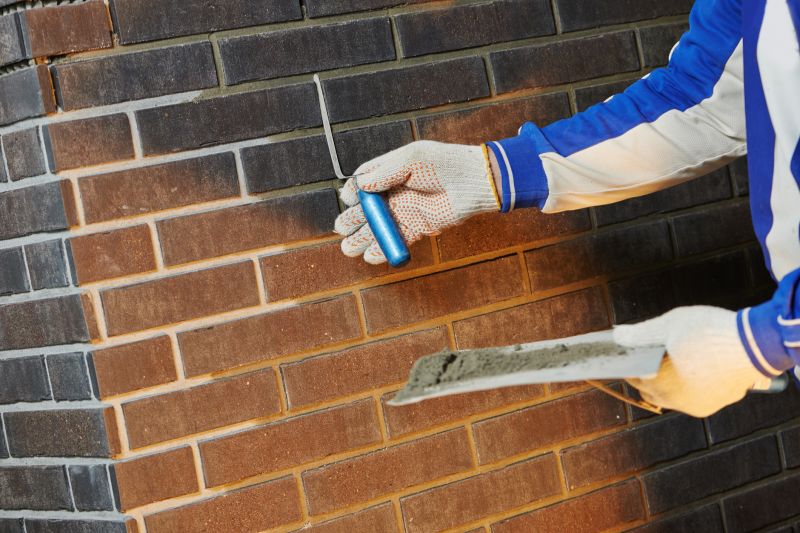
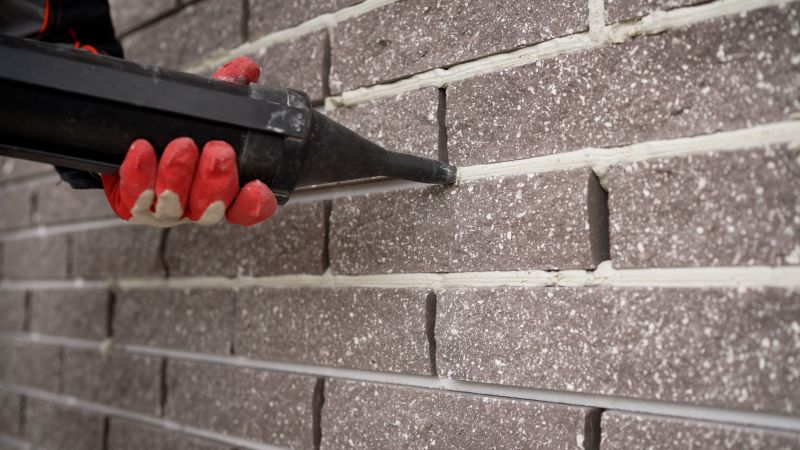
Typically, commercial tuckpointing services involve the removal and replacement of deteriorated mortar joints between bricks or stones. This process helps restore the structural integrity of masonry walls, preventing water infiltration and further damage. The work often includes cleaning the existing masonry surface, carefully removing damaged mortar, and applying fresh mortar that matches the original in color and texture. Proper tuckpointing not only enhances the appearance of a building but also extends the lifespan of the masonry, making it a valuable maintenance step for commercial properties seeking to preserve their investment.
When comparing local service providers for commercial tuckpointing, property owners should consider several practical factors. It can be helpful to review the scope of services offered, ensuring they include the specific repairs needed. Checking the experience and reputation of contractors through references or reviews can provide insight into their workmanship and reliability. Additionally, understanding how each provider approaches project planning and communication can help determine which company aligns best with the property’s needs. By evaluating these aspects, property owners can make informed decisions and select a local contractor capable of delivering quality results for their commercial masonry projects.
Compare local contractors' expertise and experience to find the best fit for your spring tuckpointing project.
- Expert Tuckpointing Services - Local contractors can assess and improve the appearance and stability of brickwork.
- Seasonal Inspection and Repair - Spring is an ideal time to evaluate mortar joints and address any damage.
- Restoration and Maintenance - Professionals help preserve building integrity through targeted tuckpointing solutions.
- Quality Craftsmanship - Skilled service providers ensure durable results that enhance the property's exterior.
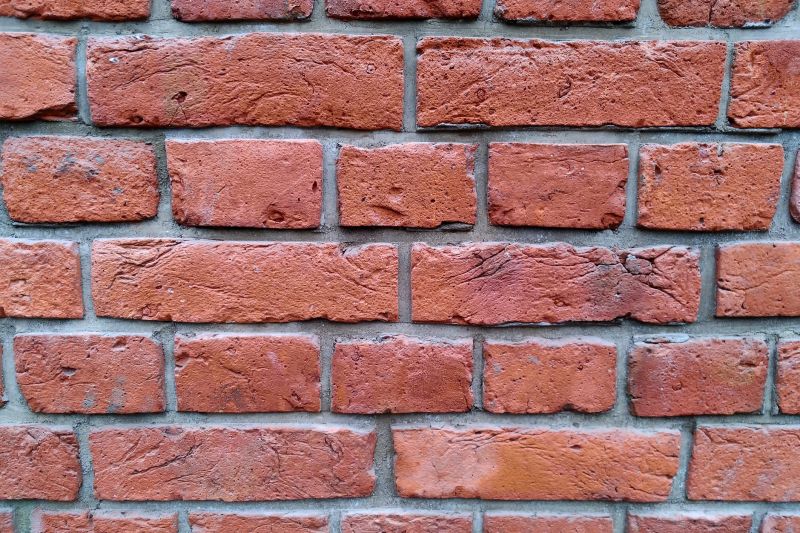
Clearly describe your commercial tuckpointing project to help local contractors compare options and meet your needs effectively.
- Inspect mortar joints for cracks, chips, or deterioration that may need repair. - Look for signs of weather-related damage or erosion that could compromise structural integrity.
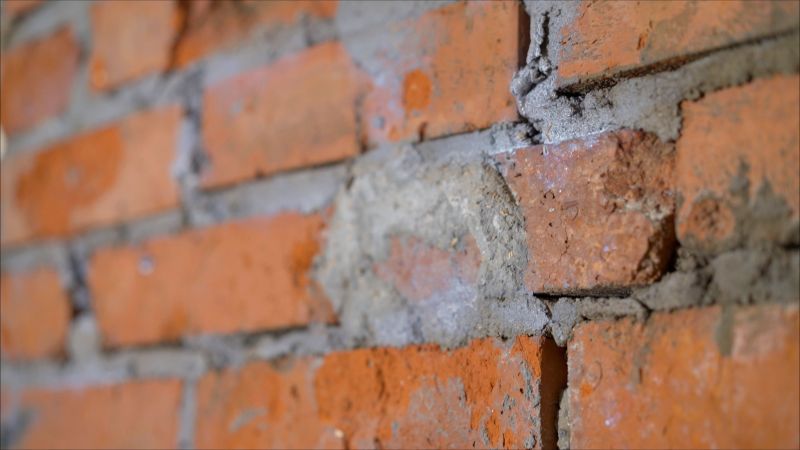
- Evaluate the overall appearance of the brickwork to identify areas with missing or crumbling mortar. - Consider sections where mortar has fallen out or appears loose, indicating the need for repointing.
- Check for efflorescence or water stains that may suggest moisture infiltration behind the mortar. - These issues can signal underlying problems that require attention from local contractors.
- Assess the alignment and levelness of bricks to spot any bulging or shifting that could indicate settling or movement. - Properly aligned brickwork is essential for a durable and visually appealing facade.
- Review the surface for signs of spalling or flaking mortar that may be caused by freeze-thaw cycles. - Damaged mortar can lead to further deterioration if not addressed promptly by experienced service providers.
- Document areas where mortar joints are difficult to access or appear uneven, which may require specialized tools or techniques. - Ensuring proper access can help local pros determine the best approach for effective tuckpointing.
Use this as a springboard to explore ideas and refine your scope with experienced local contractors.
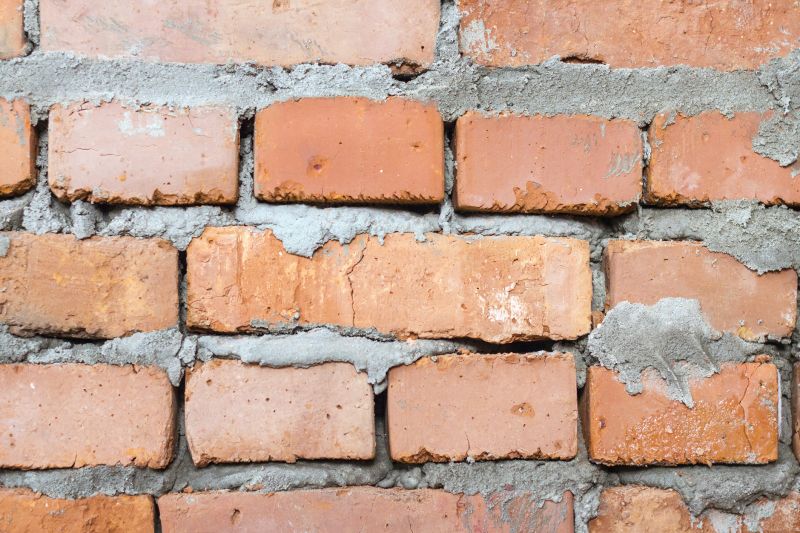
Evaluate your project priorities and compare local contractors to find the best fit for your spring refresh.
- Spring Inspection and Assessment - Spring is an ideal time to have a professional evaluate the condition of brickwork and mortar joints to identify any damage or deterioration. Local contractors can provide thorough assessments to plan necessary repairs.
- Repointing and Tuckpointing Projects - As temperatures rise, local service providers can perform tuckpointing to restore the appearance and structural integrity of brick facades. This seasonal work helps prevent moisture intrusion during the wetter months ahead.
- Cleaning and Surface Preparation - Spring cleaning of brick surfaces by local pros can remove dirt, moss, and efflorescence, improving both aesthetic appeal and longevity of the masonry. Proper cleaning prepares surfaces for any upcoming repairs or sealing.
- Repairing Cracks and Damage - Warmer weather makes it easier for local contractors to access and repair cracks or damaged mortar joints, helping to prevent further deterioration caused by freeze-thaw cycles.
- Sealing and Waterproofing - Spring projects often include applying sealants or waterproofing agents to brick surfaces to protect against moisture penetration during the rainy season, extending the lifespan of the masonry work.
When comparing service providers for commercial tuckpointing, maintaining consistent evaluation criteria helps ensure reliable choices.
- Project Scope - define the specific areas and extent of the tuckpointing work required on the commercial building.
- Material Requirements - identify the types of mortar, brick, and other materials needed for the repair or restoration.
- Preparation Tasks - outline the necessary steps to prepare the surface, including cleaning and removing deteriorated mortar.
- Work Standards - specify the quality and finish expectations for the tuckpointing to ensure durability and appearance.
- Cleanup Procedures - determine the responsibilities for site cleanup and debris removal after the work is completed.
When comparing service providers for commercial tuckpointing during the spring season, it’s important to consider the experience of local contractors with similar projects. Homeowners should look for professionals who have a proven track record of handling masonry repairs on commercial properties, especially those involving brickwork restoration and joint repointing. An experienced contractor will understand the nuances of different building styles and materials, ensuring that the work is performed with attention to detail and durability. Asking about past projects comparable in scope can help gauge a provider’s familiarity with the specific demands of commercial tuckpointing.
Clarity in the scope of work is a key factor when evaluating local service providers. A detailed, written description of what the project includes helps ensure that expectations are aligned and that there are no surprises during or after the work. Homeowners should seek contractors who can clearly outline the extent of the repair, the materials to be used, and the methods to be employed. This transparency can facilitate better planning and help determine if a contractor’s approach aligns with the project’s needs, especially during the spring when outdoor work conditions are favorable.
Work planning considerations are vital to a successful tuckpointing project. Homeowners should inquire about how local contractors approach scheduling, site preparation, and project management during the spring season. A professional service provider will consider weather conditions, the sequence of work, and the necessary safety precautions to ensure a smooth process. Understanding how a contractor plans to coordinate the project can reveal their level of organization and their ability to adapt to seasonal factors that could impact the quality and timeline of the work.
Evaluating options without focusing on prices involves examining factors such as experience, scope clarity, and planning approach. Homeowners can compare how well each local contractor communicates their process, their familiarity with similar projects, and their ability to provide a comprehensive plan for spring repairs. Asking for references or examples of completed work can also assist in assessing the reliability and expertise of potential service providers. This approach helps ensure that the selected contractor is capable of delivering quality tuckpointing work that meets the specific needs of a commercial property during the spring season.
Request written scope details from local contractors to ensure clarity and consistency for your spring tuckpointing project.
- Scope Clarification - What specific areas or types of brickwork do local contractors include in their tuckpointing services?
- Material Options - How do different service providers compare in terms of the mortar types and techniques they use?
- Service Coverage - Do local pros offer comprehensive tuckpointing that addresses both aesthetic and structural concerns?
- Experience & Expertise - How do local contractors' experience levels influence their ability to handle spring-specific repair needs?
- Project Scope Definition - What details do local service providers typically include when outlining the scope of a commercial tuckpointing project?
What is commercial tuckpointing? Commercial tuckpointing involves repairing and restoring the mortar joints between bricks or stones on commercial buildings to improve appearance and structural integrity.
Why should businesses consider tuckpointing in spring? Spring is an ideal time for tuckpointing as it allows for repairs to be completed before summer weather, helping to protect the building during the warmer months.
How do I choose a local contractor for tuckpointing? Look for experienced service providers in the area who specialize in masonry repairs and have positive references from previous commercial projects.
What are common signs that a building needs tuckpointing? Visible cracks, crumbling mortar, water infiltration, or damaged joints are indicators that tuckpointing may be necessary to maintain building stability.
What materials are used in commercial tuckpointing? Typically, matching mortar mixes are used to blend with existing brickwork, ensuring a seamless repair that preserves the building’s appearance.
Can tuckpointing help extend the lifespan of a commercial building? Yes, properly performed tuckpointing can help protect the structure from water damage and deterioration, potentially extending the building’s longevity.
Spring is an ideal time to evaluate and refresh the exterior features of a commercial property, and tuckpointing plays a key role in maintaining the integrity and appearance of brickwork. Visitors to this page have learned about the importance of proper mortar repair, the benefits of timely maintenance, and the ways experienced service providers can help restore and preserve masonry surfaces. To find the right fit for a commercial tuckpointing project, using the quote form to compare local contractors can provide valuable insights and options tailored to specific needs.
Providing clear details about your commercial tuckpointing project helps local contractors understand your needs and deliver accurate assistance.
- Project Details - information about the scope and specific areas requiring tuckpointing work.
- Property Type - details about the building or structure where the tuckpointing will be performed.
- Material Preferences - any preferred mortar types or colors to match existing masonry.
- Additional Services - whether any related repairs or restoration work are needed alongside tuckpointing.